When the Lab Report Arrived, She Blamed the Lab
3 min read
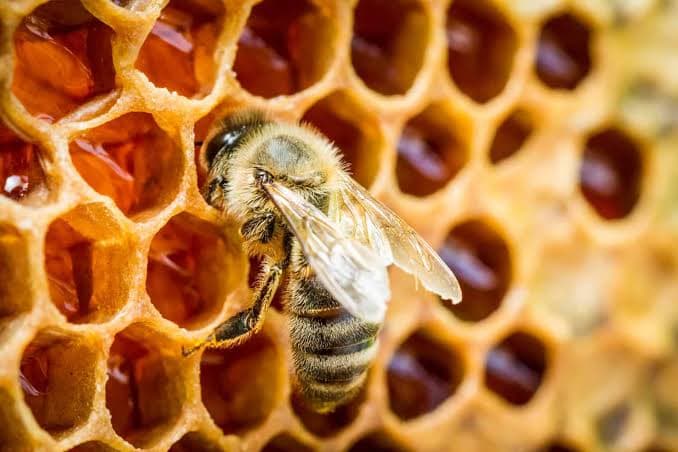
A small honey producer had spent years building a brand around “pure,” “natural,” and “from our own hives.” Customers trusted the story. She sold at farmers markets, online, and to a few local shops. Then a customer who cared about contaminants paid for independent testing and shared the results.
The Certificate of Analysis showed arsenic at roughly four times the level that independent labs and food-safety comparisons commonly flag as elevated for honey. (U.S. rules for arsenic in honey are limited, but measured levels in clean samples are typically very low, and this one stood out.) The customer contacted the producer with the report and asked what she planned to do—retest the batch, check her water or forage area, hold product, or at least publish the COA so buyers could decide for themselves.
She got angry.
Not at the arsenic. At the person who tested it and at the lab that ran the analysis. She called the results “impossible,” said the lab must have contaminated the sample, and accused the customer of trying to damage her business. When asked whether she would retest the same lot with a second accredited lab or pull the remaining jars, she refused. She said she had been making honey “this way for years,” that her bees were fine, and that she wasn’t going to “chase numbers” or scare customers. She continued selling the same batch.
There was no public COA, no recall notice, no explanation of possible sources (soil, water, nearby activity, processing equipment), and no plan to verify future lots. The response was denial and irritation that anyone had looked closely.
This is not an unusual pattern in the food world. Heavy metals such as arsenic can enter honey from environmental sources even when a beekeeper does everything “right” on the surface. Bees forage across a wide area, and arsenic occurs naturally in some soils or can come from older agricultural chemicals, water, or industrial residues. The point is not that every elevated result means catastrophe for occasional use; the point is what a producer chooses to do once the number is known. Some retest, investigate, blend or discard affected lots, and publish the data. Others treat the messenger as the problem and keep shipping.
Customers who want lab-tested honey are left with a simple choice: trust a story, or ask for the current Certificate of Analysis and see what the producer does when the numbers are inconvenient. The jars still look the same on the shelf either way. Only the paperwork—and the willingness to act on it—tells the difference.